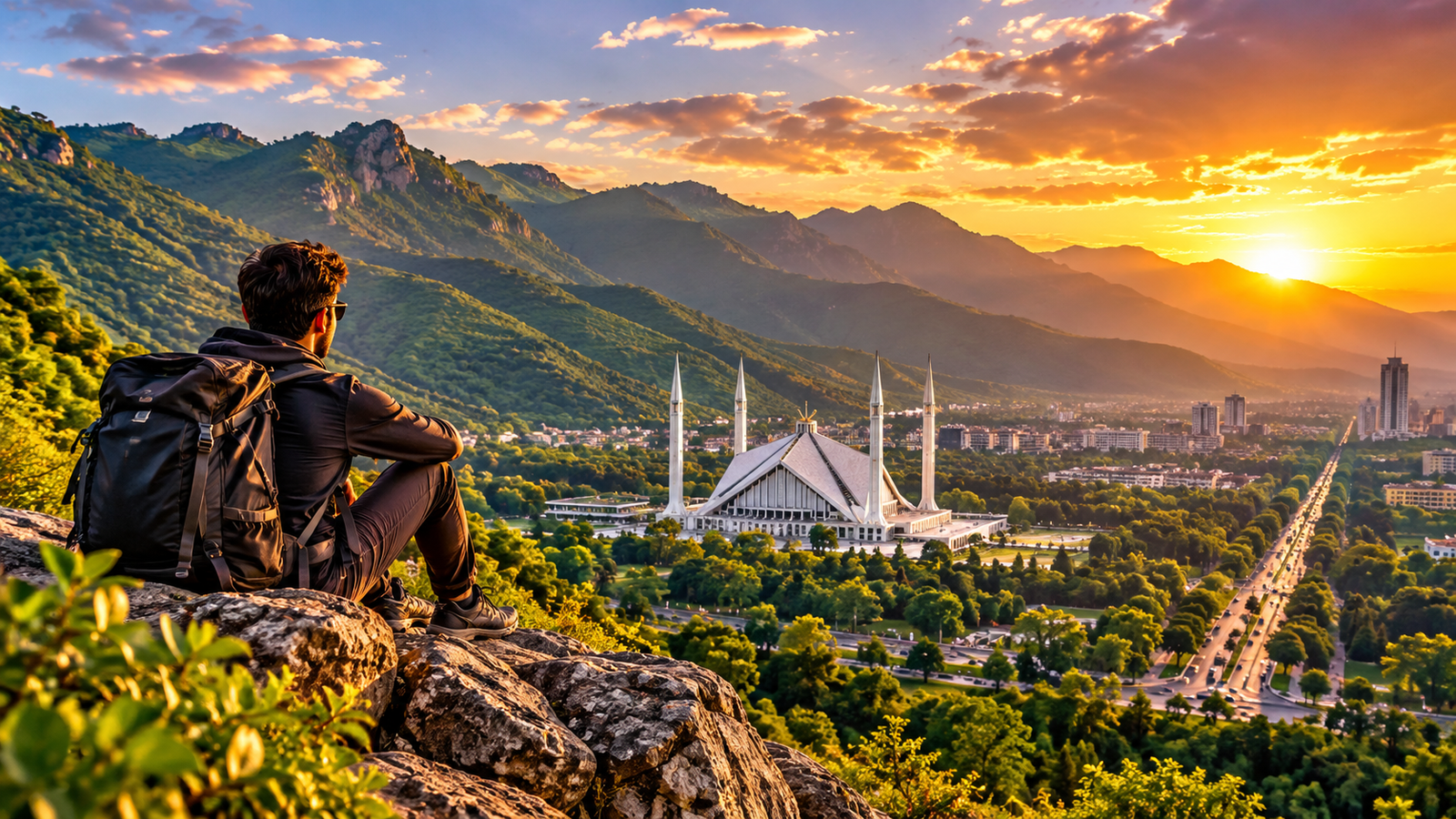
The best time to visit Islamabad is generally October to November or March to April, when the weather is more comfortable for sightseeing, outdoor photography, exploring parks and visiting the Margalla Hills.
October and November offer a particularly appealing combination of lower rainfall, pleasant daytime conditions and cooler evenings. Spring brings warmer temperatures, greener landscapes and excellent opportunities to explore Pakistan’s capital before the intense summer heat arrives.
However, the ideal month depends on what you want to do. Hiking, family sightseeing, photography and outdoor dining all have different weather requirements.
In this guide, we’ll explore Islamabad’s weather by month, compare its seasons, identify suitable periods for hiking and explain how to plan outdoor activities around the forecast.
Table of Contents
Quick Answer: When Is the Best Time to Visit Islamabad?
| Travel goal | Recommended period | Why |
|---|---|---|
| General sightseeing | October to November | Pleasant days and relatively little rainfall |
| Spring scenery and gardens | March to April | Mild to warm conditions and seasonal greenery |
| Margalla Hills hiking | November to March | Cooler temperatures for physical activity |
| Outdoor photography | October to November, March to April | Comfortable conditions and seasonal scenery |
| Family parks and picnics | March, April, October and November | Better opportunities for comfortable outdoor visits |
| Budget or quieter travel | Depends on holidays and events | Compare accommodation prices and local demand |
| Monsoon scenery | July to August | Lush landscapes, but frequent heavy rain and safety concerns |
Our overall recommendation: Choose October or November for a first visit focused on sightseeing. Choose November through February if your priority is hiking in cooler conditions, while preparing for chilly mornings and evenings.
These are seasonal recommendations, not guarantees of daily weather.
Islamabad Weather by Month: Temperature and Rainfall Guide
Islamabad has hot summers, a pronounced monsoon season and relatively cool winters. Its location near the Margalla Hills creates attractive natural scenery, but also means outdoor plans can be affected by changing rainfall, wind and visibility.
The following figures are historical monthly averages from the World Meteorological Organization’s Islamabad climate records, provided by the Pakistan Meteorological Department. The reference period is 1981-2010.
| Month | Average high | Average low | Average rainfall |
|---|---|---|---|
| January | 17.9°C | 3.2°C | 56.2 mm |
| February | 19.8°C | 6.0°C | 83.7 mm |
| March | 24.5°C | 10.7°C | 92.0 mm |
| April | 30.5°C | 15.8°C | 63.5 mm |
| May | 36.0°C | 20.7°C | 35.4 mm |
| June | 38.4°C | 23.8°C | 75.4 mm |
| July | 35.3°C | 24.4°C | 311.1 mm |
| August | 33.7°C | 23.8°C | 337.5 mm |
| September | 33.7°C | 21.1°C | 109.2 mm |
| October | 30.9°C | 14.5°C | 31.7 mm |
| November | 25.9°C | 8.3°C | 14.5 mm |
| December | 20.2°C | 4.3°C | 36.4 mm |
Source: World Meteorological Organization, Islamabad climatological information, 1981-2010. These are historical averages, not current conditions or a forecast.
One important detail is that October can still be quite warm in the afternoon, even though mornings and evenings often feel more comfortable. November generally brings noticeably cooler conditions.
For outdoor planning, the temperature at the exact time of your activity matters more than the monthly average.
Find the Best Month to Visit Islamabad
Not sure which month suits your travel plans? Use the GenWeather Best Time to Visit Calculator to compare historical weather conditions, rainfall, sunshine and seasonal suitability. Select Islamabad, choose your preferred activity and discover which months best match your travel preferences.
When should you visit?
Compare months using historical temperatures, rainfall, snowfall, sunshine, humidity and wind, tailored to your plans.
Choose your preferences to compare months.
Based on the five most recent complete calendar years, not a forecast. Search covers many populated places, not every attraction or protected area. For remote attractions, use the nearest mapped place or its coordinates. Mountain elevation, coastal microclimates and resort locations can differ from nearby town data. Scores are illustrative climate suitability estimates, not guarantees of weather, wildlife sightings, snow cover, swimming safety, trail access, crowd levels, prices, air quality or local advisories. Historical snowfall is not ski resort snow depth; beach scores do not include sea temperature. Data: Open-Meteo Historical Weather API.
Best Time to Visit Islamabad by Season
Spring in Islamabad: March to April
Spring is one of the most attractive periods for exploring Islamabad.
March typically brings milder daytime temperatures, making it a good choice for walking, sightseeing and exploring gardens. April becomes warmer, especially during the afternoon, but early mornings can still be suitable for many outdoor activities.
Recommended spring experiences:
- Explore the grounds around Faisal Mosque.
- Visit the Rose and Jasmine Garden.
- Walk through Fatima Jinnah Park.
- Enjoy scenic viewpoints around the Margalla Hills.
- Schedule photography sessions during early morning or late afternoon.
March is especially attractive for visitors who want comfortable daytime sightseeing without the strongest summer heat.
April remains appealing, but hikers should pay closer attention to temperature and hydration.
Summer in Islamabad: May to June
May and June are generally the hottest part of the year.
Historical average maximum temperatures reach approximately 36°C in May and 38.4°C in June. That can make extended outdoor sightseeing or strenuous hiking uncomfortable, particularly during the middle of the day.
If you’re visiting during this period, plan activities around cooler hours.
Summer planning tips:
- Start outdoor activities early.
- Carry sufficient drinking water.
- Take regular breaks in shaded or indoor areas.
- Avoid strenuous hikes during extreme heat.
- Check official heat warnings before traveling.
Summer is not necessarily a bad time to visit Islamabad, but it requires more careful scheduling.
For families, a combination of morning sightseeing and indoor afternoon activities can be more practical than spending the entire day outdoors.
Monsoon in Islamabad: July to August
July and August bring the strongest seasonal rainfall.
WMO historical averages show approximately 311 mm of rainfall in July and 338 mm in August, substantially higher than the totals for October and November.
The monsoon can make Islamabad and the surrounding hills look beautifully green. However, intense rainfall may also create dangerous conditions.
Potential problems include slippery trails, poor visibility, waterlogged roads, flash flooding and sudden changes in outdoor conditions.
If visiting during the monsoon:
- Check official weather alerts before leaving.
- Avoid hiking during heavy rain or thunderstorms.
- Stay away from flooded streams and drainage channels.
- Never attempt to cross flowing floodwater.
- Keep alternative indoor activities available.
Photographers may enjoy the seasonal scenery, but attractive landscapes should never take priority over weather safety.
Autumn in Islamabad: September to November
Autumn is an excellent period for exploring the capital, although September can remain hot and humid.
By October, the monsoon has generally retreated and rainfall is substantially lower. November typically brings cooler days and crisp mornings.
This makes October and November especially appealing for travelers who want to visit multiple attractions without constantly adjusting their plans around intense heat or frequent rain.
Best autumn activities:
- Walking around Islamabad’s major landmarks.
- Visiting parks and gardens.
- Outdoor photography.
- Exploring scenic viewpoints.
- Picnics during comfortable weather.
- Hiking when trail and weather conditions are suitable.
For a first-time visitor, October to November offers one of the best overall balances of weather and sightseeing opportunities.
Winter in Islamabad: December to February
Islamabad’s winter is relatively short, with cool days and cold nights.
January’s historical average high is about 17.9°C, while the average low is approximately 3.2°C.
Winter can be a very good time for hiking because cooler temperatures reduce some of the heat-related discomfort associated with summer.
However, mornings may be cold, and fog or poor visibility can occasionally affect travel and outdoor activities.
Bring warm layers, particularly if you plan to spend time outdoors early in the morning or after sunset.
Winter is also a good period for travelers who prefer cooler weather over hot afternoons.
Best Time for Hiking in Islamabad’s Margalla Hills
The Margalla Hills are one of Islamabad’s greatest attractions for outdoor enthusiasts.
Located along the northern edge of the city, the hills offer hiking routes, forested landscapes, scenic viewpoints and opportunities to experience nature without traveling far from the capital.
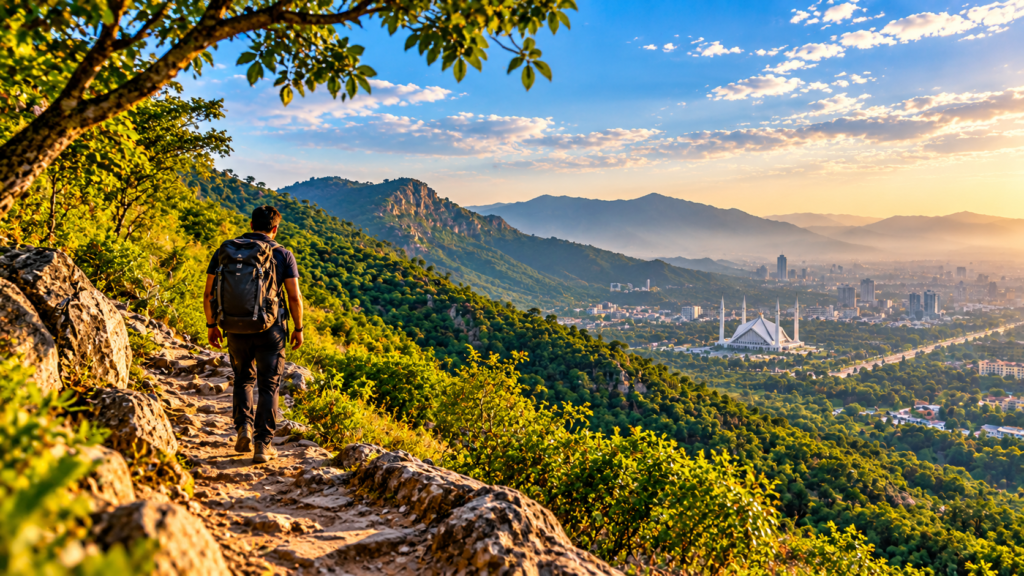
For most recreational hikers, November through March is a sensible seasonal starting point because daytime temperatures are generally cooler than in late spring and summer.
October and early April can also be enjoyable, especially when hikes begin early and the weather is favorable.
Trail 3: A Popular but Challenging Climb
Trail 3 is one of Islamabad’s best-known hiking routes.
The Capital Development Authority describes it as a steep and challenging route that begins near Margalla Road in Sector F-6.
It includes a viewpoint and an onward climb toward the Pir Sohawa area.
Best for: Hikers comfortable with uphill walking and uneven terrain.
Weather considerations: Avoid starting during extreme afternoon heat, heavy rainfall or thunderstorms.
Trail 5: Forest Scenery and a Longer Outing
Trail 5 is another popular route, beginning near Margalla Road in Sector F-5.
The Capital Development Authority describes it as relatively easier to climb than Trail 3, although the complete route can still require several hours.
The trail offers wooded scenery and a rewarding outdoor experience.
Best for: Visitors looking for a longer nature-focused hike.
Weather considerations: Allow enough daylight, carry water and consider the full duration of your hike when checking the forecast.
Trail 6: Another Option Near Faisal Mosque
Trail 6 begins behind Faisal Mosque, according to CDA’s trail information.
It passes through a valley and includes areas associated with birdwatching and mountain biking.
Before planning a visit, confirm the route’s current public-access status and any restrictions with the relevant authorities.
Hiking Safety Tips for Margalla Hills
Regardless of the season, take a few precautions:
- Check the latest forecast and official warnings.
- Confirm that your intended trail is open.
- Wear appropriate footwear.
- Carry water and a charged phone.
- Tell someone where you’re going.
- Avoid hiking alone in unfamiliar areas.
- Stay on designated routes.
- Respect wildlife and national park regulations.
- Allow extra time for rest and unexpected delays.
- Turn back if conditions become unsafe.
Important: City-level forecasts do not capture every condition on a hillside. Trail surfaces, wind exposure and local thunderstorms can differ from weather observed in central Islamabad.
Plan Your Islamabad Outdoor Activities With GenWeather
Knowing the best month to visit Islamabad is useful, but choosing the right hour can make an even bigger difference to your experience.
A morning walk, a three-hour hike and an afternoon picnic do not have identical weather requirements.
That’s why GenWeather offers an interactive Outdoor Activity Planner.
You can use it to:
- Choose Islamabad as your destination.
- Select walking, running, cycling, hiking, picnics or photography.
- Explore hourly weather conditions.
- Compare recommended activity times.
- Set how long your activity will last.
- Review temperature, rainfall and wind information.
- Save your plan or open it in Google Calendar.
Try the GenWeather Outdoor Activity Planner below.
Planner recommendations are based on forecast conditions and are not a substitute for official warnings, trail-access information or air-quality advice.
Best Places to Visit in Islamabad During Pleasant Weather
Islamabad offers a variety of outdoor destinations that become more enjoyable when temperatures are comfortable.
Faisal Mosque
Faisal Mosque is one of Islamabad’s most recognizable landmarks, with the Margalla Hills providing a dramatic backdrop.
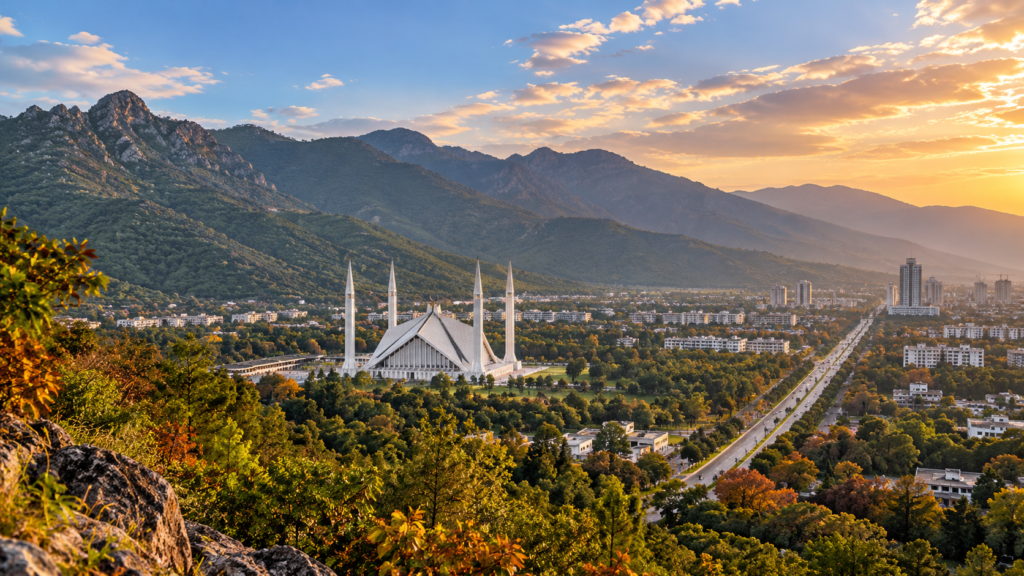
Morning and late-afternoon visits can be particularly appealing for photography.
Visitors should respect prayer times, dress requirements and site rules.
Daman-e-Koh
Daman-e-Koh is known for panoramic views over Islamabad.
On clear days, visitors can enjoy expansive views of the city’s roads, greenery and landmarks.
Visibility matters here. Haze, fog and rain can reduce the quality of the experience, even when the temperature feels comfortable.
Fatima Jinnah Park
Also known as F-9 Park, Fatima Jinnah Park offers open green spaces suitable for walking and outdoor recreation.
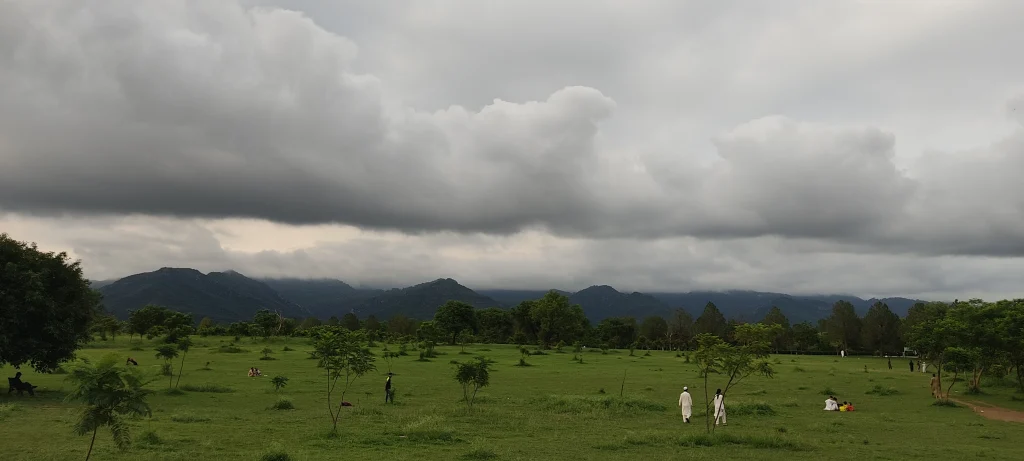
March, April, October and November are useful months to consider for comfortable daytime visits.
During summer, morning and evening hours may be preferable.
Rose and Jasmine Garden
The Rose and Jasmine Garden offers a relaxing setting for walking and photography.
Seasonal flowering conditions vary, so visitors interested in specific blooms should check local conditions rather than assume flowers will be at their peak on a particular date.
Margalla Hills National Park
For visitors who enjoy nature, the Margalla Hills provide a different experience from the city’s built-up attractions.
Cooler weather often makes walking more comfortable, but trail conditions and safety should always determine whether a hike goes ahead.
A Weather-Smart Two-Day Islamabad Itinerary
A practical itinerary should remain flexible enough to accommodate changing weather.
Day 1: Landmarks, Gardens and City Views
Morning: Visit Faisal Mosque and enjoy photography around the landmark.
Late morning: Explore the Rose and Jasmine Garden or another nearby green space.
Afternoon: Take a break during warmer hours, particularly in spring or early autumn.
Late afternoon: Visit Daman-e-Koh if visibility and access conditions are suitable.
Evening: Enjoy dinner in Islamabad and review the next day’s forecast.
Day 2: Nature and Outdoor Activities
Early morning: Choose a suitable Margalla Hills trail based on your fitness, available time and current conditions.
Late morning: Finish the hike before temperatures rise significantly.
Afternoon: Rest or explore an indoor attraction.
Late afternoon: Enjoy a relaxed walk in Fatima Jinnah Park if the weather remains comfortable.
This itinerary works best when adjusted to the season. During monsoon weather or official alerts, replace exposed outdoor activities with safer alternatives.
What to Pack for Islamabad in Different Seasons
Spring
Bring comfortable walking shoes, breathable clothing, sun protection and a light layer for cooler mornings.
Summer
Pack lightweight clothing, drinking water, sunscreen, a hat and other appropriate sun protection.
Monsoon
Carry a rain jacket, water-resistant bag protection and footwear suitable for wet conditions. Avoid relying on an umbrella during thunderstorms or strong winds.
Autumn
Comfortable daytime clothing and a light jacket for cooler evenings will suit many visits.
Winter
Bring warm layers, especially for early-morning outings, viewpoints and hiking.
Regardless of the month, checking the short-term forecast before packing is more reliable than relying entirely on historical averages.
How to Check Islamabad Weather Before Traveling
Historical climate data helps you choose a season. A live forecast helps you decide what to do on a particular day.
Before traveling, check:
Temperature and feels-like temperature: Useful for understanding comfort during sightseeing and exercise.
Rain probability and expected rainfall: Particularly important for hiking, picnics and photography.
Wind speed and gusts: Relevant to cycling, exposed viewpoints and elevated trails.
Daylight: Essential when planning longer hikes.
Weather warnings: Official alerts should take priority over recreational recommendations.
Air quality: Particularly important for visitors with respiratory sensitivities and anyone planning strenuous outdoor exercise.
Use GenWeather’s Islamabad forecast and Outdoor Activity Planner to compare conditions before making your final plans.
Frequently Asked Questions About Visiting Islamabad
What is the best time to visit Islamabad?
October to November is an excellent choice for general sightseeing because the weather is typically more comfortable and rainfall is relatively low. March to April is another attractive period for spring travel.
Which month is best for Islamabad sightseeing?
October and November are particularly good choices. October can still be warm during the afternoon, while November generally brings cooler conditions.
Is Islamabad too hot in June?
June is usually one of Islamabad’s hottest months, with a historical average daytime maximum of about 38.4°C. Outdoor activities can still be possible, but early starts, hydration and heat precautions are important.
Does Islamabad experience heavy monsoon rainfall?
Yes. July and August are typically the wettest months. Heavy rain can disrupt sightseeing and make hiking unsafe.
What is the best time for hiking in Margalla Hills?
November through March generally offers cooler conditions for hiking. October and early April can also be suitable depending on the forecast, trail conditions and time of day.
Does it snow in Islamabad during winter?
Snowfall is uncommon in Islamabad’s main urban area. Nearby higher-elevation destinations can experience snow, but travelers should not expect regular snowfall in central Islamabad.
Is October a good month to visit Islamabad?
Yes. October is a strong choice for sightseeing because monsoon rainfall has usually declined and mornings and evenings are often more comfortable. However, afternoons can still be warm.
Can I visit Islamabad during the monsoon?
Yes, but you should allow flexibility in your itinerary. Heavy rain, thunderstorms and flooding can make some outdoor activities unsafe.
How many days are enough to explore Islamabad?
Two to three days can cover several major landmarks, parks and a short nature outing. Additional time is useful if you want longer hikes or nearby day trips.
How can I find the best hour for outdoor activities in Islamabad?
Use the GenWeather Outdoor Activity Planner to compare hourly weather conditions and activity-specific recommendations. Always check official warnings and local conditions before setting out.
Final Verdict: When Should You Visit Islamabad?
The best time to visit Islamabad depends on your travel priorities, but October and November are our top overall picks for sightseeing, photography and comfortable outdoor exploration.
March and April are also excellent options for spring scenery and city attractions.
For hiking enthusiasts, the cooler period from November through March deserves particular attention.
Summer visitors should plan around high temperatures, while monsoon travelers need to be especially cautious about heavy rainfall and outdoor safety.
Whatever season you choose, don’t rely on monthly averages alone.
Check the forecast, compare your available hours and plan your outdoor activities with GenWeather before heading out.
Explore More Weather and Travel Guides on GenWeather
Planning an outdoor adventure? Try our Outdoor Activity Planner to compare hourly weather conditions and find suitable times for hiking, walking, photography, and sightseeing.
Want to explore another beautiful destination near Islamabad? Read our Best Time to Visit Murree guide for seasonal weather, snowfall information, and travel tips.
Looking for scenic attractions and family-friendly destinations? Discover the Best Places to Visit in Murree and plan your trip around the weather.
Interested in how air pollution affects outdoor activities? Explore our Lahore AQI Explained guide to understand air quality levels and precautions before exercising outdoors.
Planning a winter trip across Punjab? Read our Lahore Smog Season Guide to understand seasonal air pollution and its effects on outdoor plans.
Official Weather and Hiking Resources for Islamabad
For reliable travel planning, consult the World Meteorological Organization’s Islamabad climate records to understand historical monthly temperatures and rainfall, and visit the Pakistan Meteorological Department for forecasts and official weather warnings. If you’re planning to explore the Margalla Hills, check the Capital Development Authority for local information and the Islamabad Wildlife Management Board’s hiking trail resources for trail guidance. These official sources complement GenWeather’s Outdoor Activity Planner and can help you choose suitable travel dates, prepare for seasonal conditions, and make safer decisions before heading outdoors.